







- 26 Nov 2026
Custom Embroidered Hoodies: Keeping Logos Clear
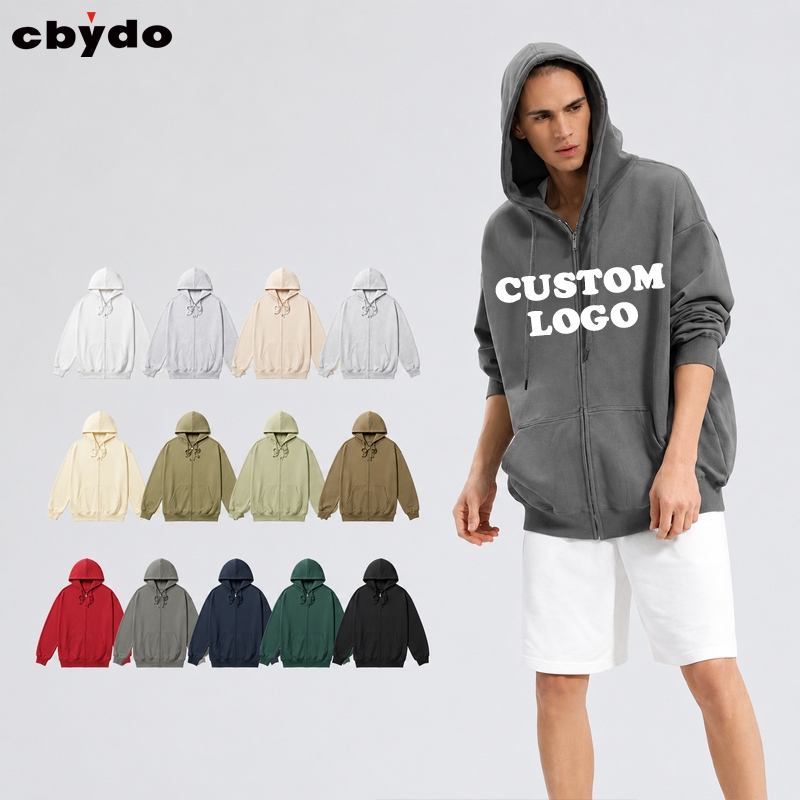
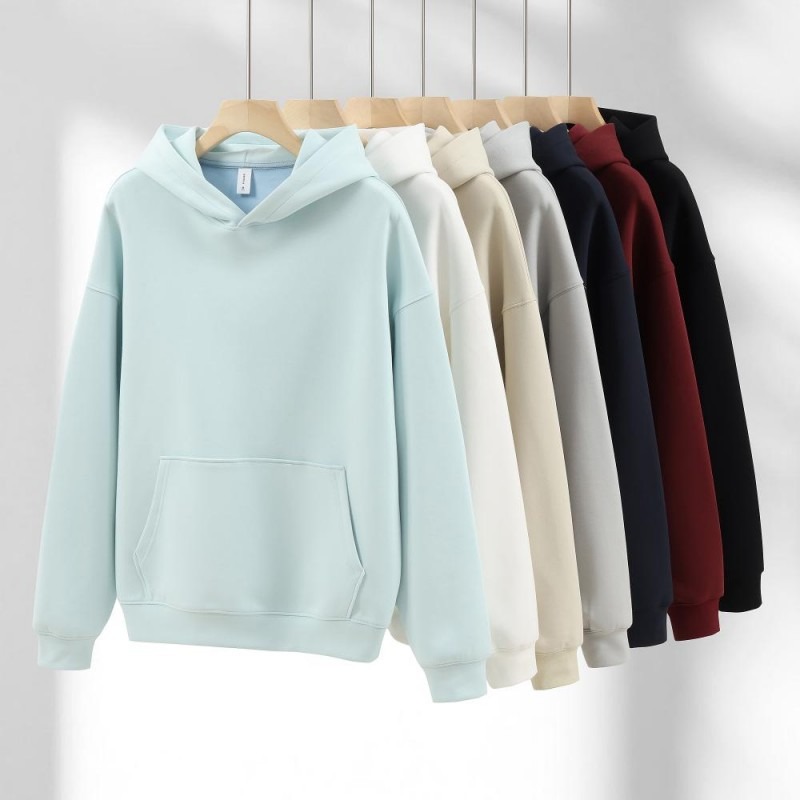
A logo can look sharp on a screen, yet lose its character once stitched onto a hoodie. Tiny lettering, tightly packed shapes, and an awkward position can all spoil the result. Clothing brands and teamwear distributors face a practical question. How can they keep that familiar mark readable on the finished garment? The answer lies in the artwork, fabric choice, placement, and the actual sample. The details that make a stitched logo recognizable A familiar mark needs a distinct main shape. With custom logo embroidered hoodies, decide which element must survive at a glance: the name, a symbol, or a short line of text. Give that element enough space. A small chest design rarely needs every detail from a website banner. Lettering and open spaces Thin strokes and narrow gaps need a close look. Thread cannot reproduce every small feature of a digital image neatly. Thin letters may lose definition, while small spaces inside a logo can close up. Ask for an enlarged letter, a thicker stroke, or a plainer outline where needed. Keep the spelling and the identity of the brand intact. Color with a clear purpose Judge thread color against the actual garment. Place the proposed shades beside the chosen hoodie and compare them in ordinary light. For a quiet, tonal design, check the main mark. It should still read at the intended distance. A strong contrast may suit a team uniform, while a softer pairing may better fit a fashion collection. How the hoodie fabric supports the design The garment and the stitching need to be considered together. A soft knit can require support during embroidery, and the surface can affect how clearly small details appear. Backing helps stabilize the fabric; a suitable topping can stop stitches from sinking into textured material. The combination should be assessed on a sewn sample. Matching the garment to the logo is easier when fabric and decoration choices can be discussed together. Cbydo offers custom embroidered hoodies in a range that includes terry and fleece fabrics. Material choices include cotton, cotton blends, and polyester. Flat embroidery and other decorative techniques are available. Ask which combination suits the design. Every fabric need not receive the same treatment. Comfort deserves a check on the inside as well. Turn the sample over and feel the backing behind the logo. Then try it over the layer the wearer is likely to use. A chest mark should look tidy from the front. It should also feel comfortable when someone moves, sits, or carries a bag. Placement across pullover and zip-up styles Placement should follow the garment’s construction. A pullover has an uninterrupted upper front, while a zip-up has a center fastening. Kangaroo pockets, hood position, and seams also need consideration. Lay the hoodie flat for measurement, then view it on a person before settling on the final location. For custom embroidered zip up hoodies, consider a chest position to one side of the zipper. If the design spans the fastening, inspect its appearance both open and closed. A large back mark needs a separate check with the hood resting down. A useful placement stays visible when the garment is worn in its usual way. Design situation Sample check Possible adjustment Small chest lettering Can the name be read easily? Enlarge text or simplify fine strokes Logo near a zipper Does the fastening interrupt it? Move the complete mark to one side Upper-back artwork Does the lowered hood cover it? Reposition within the available area Textured fabric Do small details remain distinct? Review support and stitch treatment Size changes also need a deliberate decision. Compare the proposed placement on a smaller and a larger garment from the intended range. Keep the relationship between logo, neckline, and pocket in view. Avoid approving a whole size run from one flat image simply because the artwork looks centered there. A sample that answers the right questions An actual sample gives the design team something solid to judge. Ask the embroidered hoodie manufacturer to use the intended fabric, thread colors, logo size, and placement. A substitute fabric may help with an early idea. But reserve final approval for the combination that will actually be supplied. The sample review should stay focused on the logo’s appearance and feel. Use a short shared checklist so that the brand team and decorator are discussing the same points: Read the name without enlarging a photograph. Inspect outlines, gaps, and the fabric around the stitching. Feel the reverse side against an inner layer. Check the logo with the hood down and zipper open, where applicable. Written notes make changes easier to follow. Replace a vague request such as “make it better” with a clear note about the letter, edge, or position that needs attention. Keep the approved version available for comparison. If a later sample changes the fabric or artwork, revisit the affected detail before approving it. Decoration choices can be discussed before the garment design is fixed. When comparing custom hoodie manufacturers, ask whether they can review the artwork alongside the garment construction. Cbydo supports both logos on stock garments and cut-and-sew customization. The discussion can therefore match how much of the hoodie the brand wants to change. A clear logo and a wearable garment Successful embroidery keeps the brand recognizable without making the hoodie uncomfortable or visually crowded. Settle the main shape, test it on the chosen fabric, and review its position while the garment is worn. For personalized embroidered hoodies, those decisions give the team a useful basis for sample approval and consistent design choices across a collection. If you need help matching your hoodie design with an embroidery option, please contact Cbydo to discuss the artwork and sample requirements. FAQ Can a detailed logo be embroidered on a hoodie? Some details may need adjustment. Fine lettering and tightly packed shapes can lose clarity in thread. Keep the essential mark, agree on any changes, and judge the stitched sample at its actual size. Is there one correct size for a chest logo? There is no single size to adopt for every design. Review readability, available space, and the proportions of the garment. Ask the decorator to confirm what works for the chosen artwork and fabric. Can the same logo be used on pullovers and zip-ups? The brand identity can remain consistent, but placement needs a separate check. Review the zipper, pocket, and hood on each style rather than copying the position without checking the garment. Why does embroidery need backing? Backing supports the fabric while the design is stitched. Its selection affects stability and the feel of the finished area. Check both sides of the sample before accepting the proposed combination. Should a sample be checked after washing? Yes. Follow the agreed care instructions, then inspect the logo and surrounding fabric again. Record any visible change and discuss it before approval, without treating one sample wash as proof of long-term performance.
Read More